Use your HSA/FSA funds to get started • Phone: 719-505-4404 • Fax 720-899-3575

The Gut-Brain Connection: How Digestive Health Impacts Anxiety and Depression
Discover the connection between gut health and mental health, and learn how it influences anxiety and depression.
ANXIETY
12/9/20252 min read

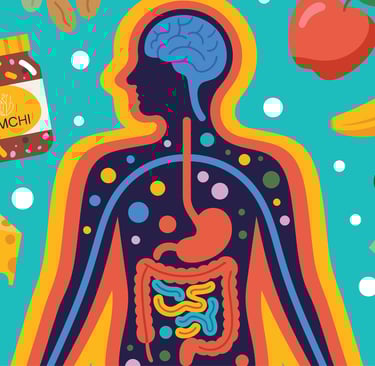
When we think about mental health, we often picture emotions, stress, or brain chemistry. But what if one of the most powerful influences on mood is located in the gut? Emerging research continues to highlight the strong connection between gut health and mental health, showing how the bacteria that live in our digestive system play a significant role in emotional regulation, neurotransmitter production, and inflammation management. For many individuals seeking anxiety treatment or support for depression, addressing gut function can be an important part of the healing journey.
How the Microbiome Shapes Mental Wellness
Deep within the digestive tract lives the microbiome, a diverse ecosystem of trillions of bacteria, fungi, and microorganisms. These microbes do far more than break down food—they participate in a continuous, two-way communication system with the brain known as the gut-brain axis.
Scientific research shows that:
Gut bacteria produce key neurotransmitters, including serotonin, dopamine, and GABA, which influence mood and stress response.
Inflammation caused by an imbalanced microbiome may contribute to symptoms of depression and anxiety.
Changes in gut bacteria can affect the hypothalamic–pituitary–adrenal (HPA) axis, which regulates the body's stress response.
Dysbiosis—a disruption in healthy gut bacteria—has been linked to increased anxiety behaviors and reduced emotional resilience.
This means that when the gut is inflamed, stressed, or imbalanced, the brain often feels the impact.
Foods That Support Better Mood and Mental Balance
Nutrition is one of the most accessible ways to support gut health—and, in turn, mental health. Incorporating gut-nourishing foods into your routine may help improve emotional stability and reduce anxiety symptoms.
Here are some science-backed options:
Fermented foods (kimchi, kefir, yogurt) introduce beneficial probiotics.
High-fiber foods (beans, oats, vegetables) feed healthy gut bacteria.
Omega-3 fatty acids (salmon, chia seeds, walnuts) help reduce inflammation.
Polyphenol-rich foods (berries, dark chocolate, green tea) support microbial diversity.
Prebiotic foods (garlic, onions, asparagus) strengthen the gut lining.
Small, sustainable dietary shifts can create meaningful improvements in both digestive and mental well-being over time.
How Intrepid Mental Wellness Supports Gut-Informed Mental Health Care
At Intrepid Mental Wellness, we understand that effective anxiety treatment often requires more than medication alone. Our psychiatric providers look beyond symptoms to understand the root causes of emotional imbalance, including gut health, inflammation, sleep, and overall nutrition. We combine evidence-based psychiatric care with a holistic lens, helping patients build treatment plans that support the brain and the body.
If you’re ready to address anxiety or depression with a deeper, whole-body approach, we’re here to help. Contact our office today to learn more about the complex connections between gut health and mental health. To explore more ways food influences mood, visit our blog.
Providing compassionate holistic mental health care to Colorado and Arizona.
Phone: Colorado & Arizona 719-505-4404
Copyright © 2018-2025 Intrepid Mental Wellness, PLLC. All rights reserved | Privacy Policy | Terms & Conditions


Content on this website is not considered medical advice. Please consult with a licensed health care provider before making any medical or lifestyle changes.
Holistic mind & body supplements & products
Contact |
Shop |
Fax: 720-899-3575